
Is Your Bad Breath a Sign of Plaque or Gum Disease?
Source:
Dr. Marketing
Persistent bad breath is not always caused by coffee, garlic, or the food you ate for lunch. When an unpleasant odour returns shortly after brushing, the source may be bacterial buildup around the teeth, along the gumline, or beneath the gums.
Plaque and gum disease are two of the most common oral causes of bad breath. They are closely connected, but they represent different stages of an oral health problem. Plaque is a sticky layer of bacteria that develops on the teeth every day. Gum disease occurs when that buildup repeatedly irritates and infects the tissues surrounding the teeth.
So, is your bad breath caused by plaque or gum disease? The answer depends on how long the problem has been present, whether the gums show signs of inflammation, and whether bacteria have moved below the gumline. Understanding this progression can help you address the actual source of bad breath instead of temporarily covering it with mints or mouthwash.
Why Plaque Can Make Your Breath Smell

Plaque is a soft, sticky biofilm that constantly forms on the teeth. It contains bacteria, saliva, and small food particles. Although plaque may be difficult to see, you may be able to feel it as a slightly rough or fuzzy coating on your teeth.
The bacteria inside plaque consume proteins and food debris left in the mouth. As they break down these materials, some bacteria release volatile sulphur compounds. These gases can create the familiar unpleasant odour associated with bad breath.
When plaque is the primary cause of bad breath, the odour may improve after thorough brushing, flossing, tongue cleaning, or a professional dental cleaning. However, if plaque is not consistently removed, it can contribute to a much larger problem.
If your bad breath keeps returning despite brushing and flossing, book an appointment with our team at Dr. Phil The Dentist in Comox. A professional examination can identify buildup in areas that may be difficult to clean at home.
How Plaque Progresses into Gum Disease
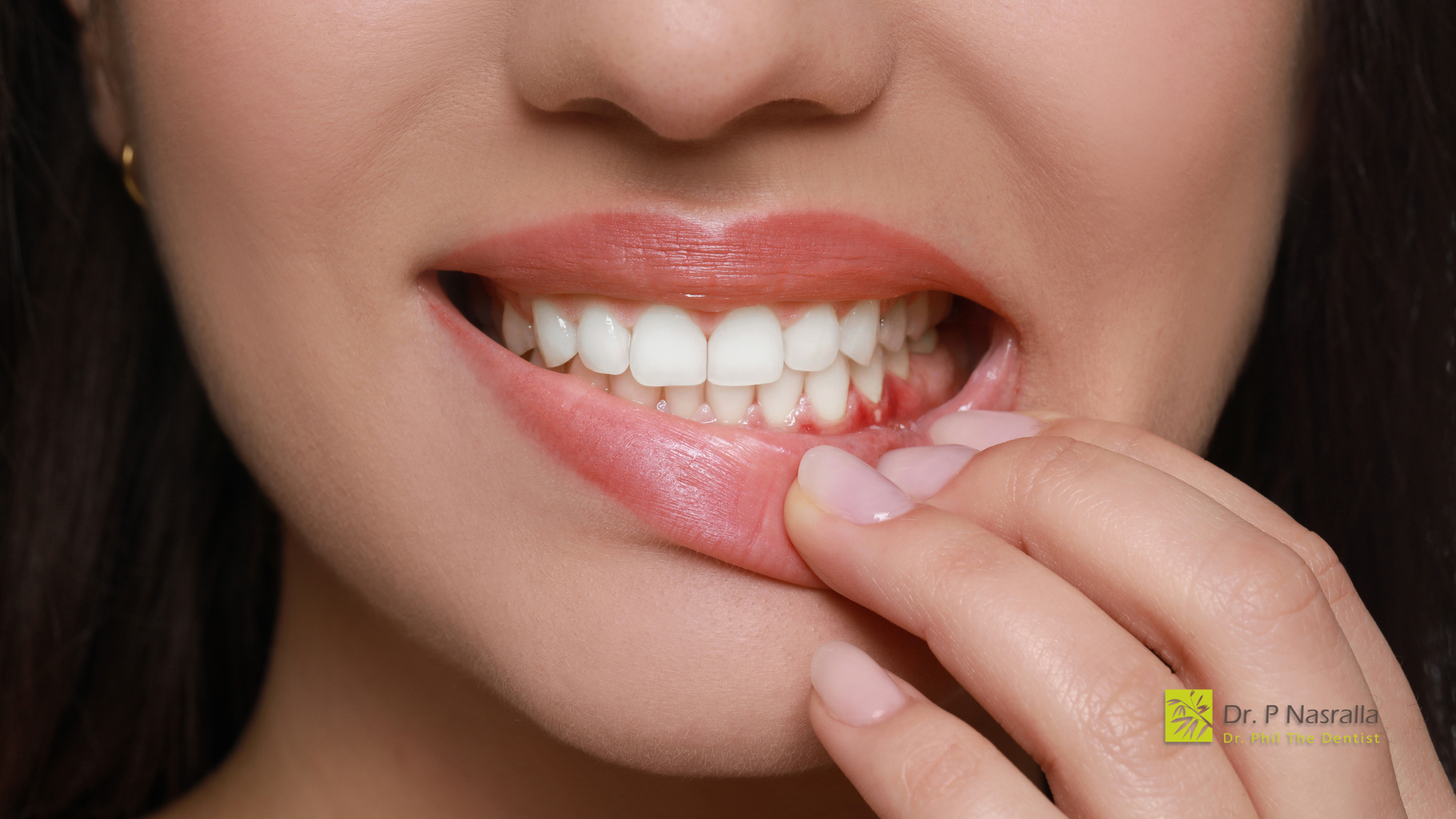
The relationship between plaque and gum disease is not an either-or situation. Plaque can cause bad breath on its own, but it can also trigger gum disease when it remains around the gumline. Plaque that is not removed begins to irritate the gums. This early inflammation is called gingivitis, the first stage of gum disease. The gums may appear red or swollen and may bleed during brushing or flossing. Bad breath can develop as the number of bacteria around the gumline increases.
Plaque can also absorb minerals from saliva and harden into tartar, also known as calculus. Tartar creates a rough surface that allows more bacteria to attach to the teeth. It cannot be removed with an ordinary toothbrush or dental floss. Professional cleaning is needed to remove it safely.
Without proper care, gingivitis may progress into periodontitis. During this more advanced stage, the gums begin to separate from the teeth, creating spaces called periodontal pockets. These pockets trap plaque, tartar, food particles, and bacteria beneath the gumline.
Periodontal pockets cannot be cleaned effectively with a toothbrush. As bacteria continue to multiply, they may produce persistent odours and damage the tissues and bone that support the teeth.
The National Institute of Dental and Craniofacial Research explains that gum disease ranges from mild inflammation to advanced infection that can damage the soft tissue and bone surrounding the teeth.
Plaque Breath vs. Gum Disease Breath: What Is the Difference?

Bad breath caused by plaque and gum disease can smell similar. The clearest difference is usually how persistent the odour is and whether it appears with changes in your gums.
Plaque may be the primary cause if your breath is worse in the morning or after eating, your teeth feel coated, or food frequently becomes trapped between them. The odour may improve after thorough brushing, flossing, and tongue cleaning. While this does not necessarily indicate gum disease, it suggests that bacteria are accumulating in areas that need more attention. Gum disease is more likely when bad breath returns quickly after brushing or occurs alongside:
- Red, swollen, or bleeding gums
- Tenderness or gum recession
- A persistent unpleasant taste
- Teeth that appear longer
- Loose or shifting teeth
Because gum disease can progress without significant pain, persistent bad breath should not be ignored simply because your teeth do not hurt.
If bad breath continues despite consistent oral hygiene or appears with bleeding, swelling, or gum recession, book an examination with our team at Dr. Phil The Dentist in Comox. Early care can help manage the infection and protect your gum health.
Why Gum Disease Causes Persistent Bad Breath
Healthy gums form a close seal around the teeth. This seal helps protect the tooth roots, connective tissues, and supporting bone from bacteria.
Gum disease weakens that seal. As the gums pull away from the teeth, bacteria move into deeper areas with limited oxygen. Certain bacteria that thrive in these spaces release strong-smelling compounds as they consume proteins from food, saliva, blood, and damaged tissue.
This explains why gum disease breath can be difficult to control with ordinary brushing. The bacteria are no longer limited to the visible surfaces of the teeth. They may be living inside periodontal pockets beneath the gumline.
Advanced gum disease may also involve inflammation, bleeding, drainage, and tissue breakdown. These changes can contribute to both persistent bad breath and a recurring unpleasant taste.
Mouthwash may temporarily reduce the smell, but it cannot remove tartar or clean deep periodontal pockets. Treating the infection and removing bacterial deposits beneath the gums is necessary to address the source.
Could the Tongue Be Contributing to Bad Breath?

The tongue is another major location for odour-causing bacteria. Its textured surface contains small grooves where bacteria, dead cells, and food particles can collect, particularly near the back of the mouth. A white or yellow coating on the tongue may contribute to bad breath even when the teeth appear clean. Gently brushing the tongue or using a tongue scraper can help remove this coating.
Tongue cleaning should complement brushing and flossing, not replace them. If bad breath continues after cleaning the teeth, gums, and tongue, a professional assessment can determine whether tartar, gum inflammation, cavities, or another condition is involved.
Other Causes of Persistent Bad Breath
Plaque and gum disease are common causes, but persistent bad breath may have more than one contributing factor, like:
- Dry Mouth
- Untreated Tooth Decay
- Dentures and Oral Appliances
- Tobacco and Vaping
- Medical Conditions
Not sure whether your bad breath is related to plaque, gum disease, or another concern? Book a complete oral health evaluation with our team at Dr. Phil The Dentist in Comox.
Why Mints and Mouthwash Are Not Long-Term Solutions

Breath mints, gum, and mouthwash can make the mouth feel fresher, but freshness does not always mean that the source of the odour has been removed. Cosmetic mouthwash temporarily covers bad breath. Some therapeutic rinses may help reduce bacteria or support gum health, but even these products cannot remove hardened tartar. They also cannot reach deeply enough to clean advanced periodontal pockets.
Regularly masking bad breath may delay the diagnosis of gingivitis, periodontitis, tooth decay, or infection. Persistent odour requires an explanation, especially when it returns soon after brushing.
How Is Plaque-Related Bad Breath Treated?
When soft plaque is the main cause, treatment begins with improving daily plaque control. Brush twice a day for two minutes using fluoride toothpaste. Angle the toothbrush toward the gumline and clean every surface of each tooth.
Clean between your teeth once a day using dental floss, interdental brushes, or another tool recommended for your needs. Brushing alone cannot effectively clean the narrow spaces between teeth. Additional steps include:
- Cleaning the tongue daily
- Drinking water regularly
- Cleaning oral appliances after use
- Replacing worn toothbrushes
- Limiting tobacco and vaping
- Attending routine dental cleanings
A professional cleaning removes plaque and tartar from areas that cannot be properly reached at home. It also allows our team to assess whether the gums are healthy or showing early signs of disease.
How Is Gum Disease Treated?

Gum disease treatment depends on its stage and severity.
Gingivitis may often be reversed through professional cleaning, consistent home care, and continued monitoring. Removing plaque and tartar allows the inflamed gums to begin healing. When buildup extends below the gumline, scaling and root planing may be recommended. This deep-cleaning procedure removes tartar and bacteria from the tooth roots and smooths the root surfaces to support gum healing.
Advanced periodontitis may require additional periodontal treatment. More frequent maintenance visits may also be recommended to help control bacteria and monitor gum health.
The goal of treatment is not simply to freshen the breath. It is to manage the infection, protect the supporting bone, and reduce the risk of tooth loss. Book an appointment with our team at Dr. Phil The Dentist in Comox to have your gum health assessed and receive a treatment plan based on the cause and severity of your symptoms.
When Is Bad Breath a Reason to Book an Appointment?
Occasional morning breath is common. Persistent bad breath is different and deserves professional attention when it:
- Continues for more than a few weeks
- Returns shortly after brushing
- Occurs with bleeding or swollen gums
- Is accompanied by a constant unpleasant taste
- Develops alongside gum recession
- Occurs with tooth pain, sensitivity, or swelling
- Does not improve with better oral hygiene
- Begins affecting your confidence or daily interactions
Bad breath is a common oral health concern, and there is no reason to feel embarrassed about discussing it. Identifying the cause is the most effective way to improve it.
Treat the Cause of Bad Breath, Not Just the Smell

Plaque and gum disease are closely connected causes of bad breath. Plaque bacteria can create odours on their own, but when plaque remains along the gumline, it may lead to gingivitis and eventually periodontitis. At that stage, bacteria can collect in deep pockets that cannot be cleaned with a toothbrush or covered effectively with mouthwash.
Fresh breath begins with a healthy mouth. If bad breath continues despite regular brushing, flossing, and tongue cleaning, it may be time to look beneath the surface.
Book an appointment with our team at Dr. Phil The Dentist in Comox today. We can identify the source of your bad breath, evaluate your gum health, and recommend care that targets the cause rather than temporarily masking the odour.